
Get Flood Damage Restoration in Rockingham County, NH
Flood damage restoration services for property owners in Rockingham County, NH, address water extraction, structural drying, mold prevention, and repairs for flooded basements and living spaces.
Flood damage restoration services are essential for property owners in Rockingham County, NH who want to protect their investments and maintain a safe, comfortable living environment. When flooding occurs, water can seep into floors, walls, and foundations, causing structural issues and mold growth if not addressed promptly. Professional restoration helps remove excess water, dry out affected areas, and prevent long-term damage, ensuring the property remains functional and durable for years to come.
In addition to safeguarding structural integrity, flood damage restoration enhances curb appeal and reduces ongoing maintenance needs. Restoring a property after flood damage can help preserve its appearance and value, making it more inviting and less prone to deterioration. Property owners often seek these services to improve safety, ensure their home or business remains usable, and enjoy peace of mind knowing that professional care is helping to maintain their property’s overall condition.
- Flood damage restoration services are essential after heavy rains or flooding events that compromise residential or commercial properties.
- Basement flood cleanup and drying are needed when water intrusion causes structural damage or mold growth in homes or businesses.
- Storm-related flooding in coastal or flood-prone areas may require professional restoration to prevent long-term damage.
- Water extraction and drying services are crucial following plumbing failures or burst pipes that lead to significant water accumulation.
- Flooded crawl spaces or attics often need specialized restoration to address moisture issues and prevent mold development.
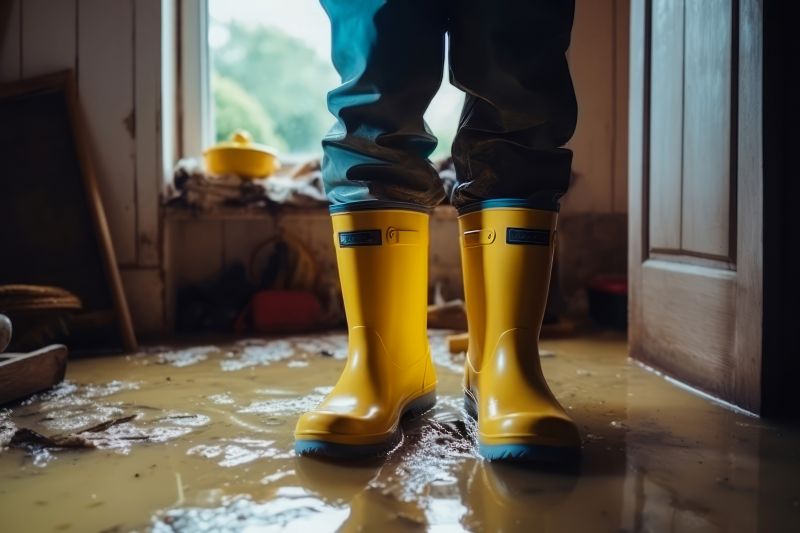
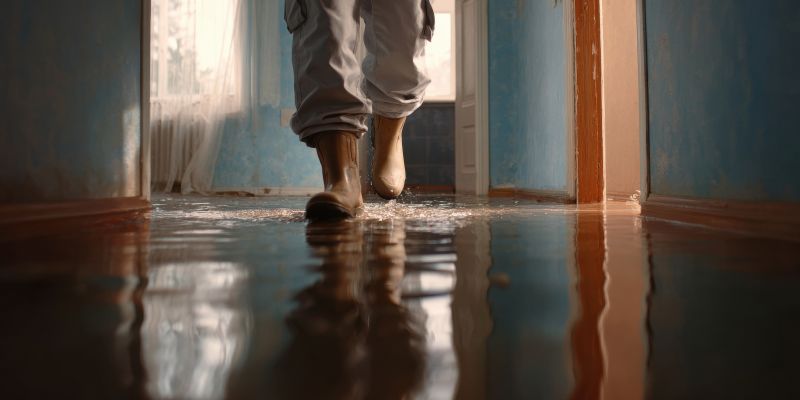
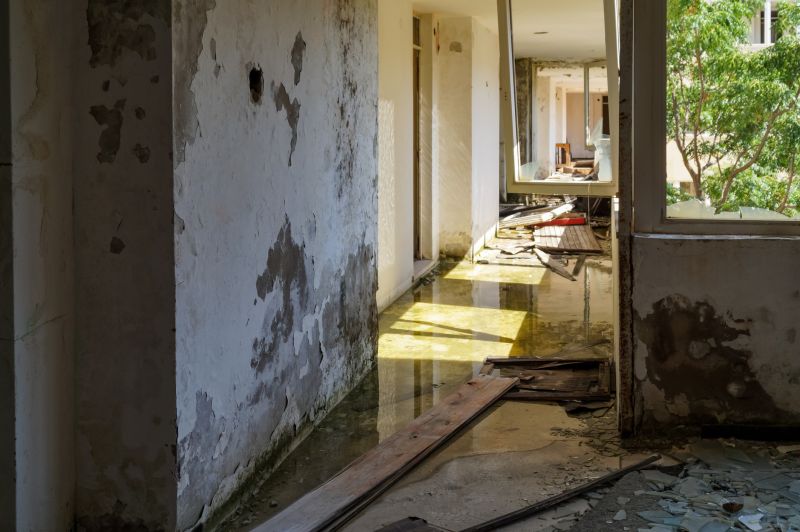
Flood damage restoration services focus on addressing the aftermath of water intrusion in residential and commercial properties. These services typically involve the removal of standing water, drying of affected areas, and cleaning to prevent further damage. Restoration professionals may also assess structural integrity, remove damaged materials, and apply treatments to inhibit mold growth. The goal is to restore the property to its pre-flood condition, minimizing long-term issues caused by water exposure.
Flood damage can lead to a variety of problems, including structural deterioration, mold and mildew growth, and compromised indoor air quality. Water intrusion can weaken building materials such as drywall, flooring, and insulation, leading to costly repairs if not addressed promptly. Mold spores can develop within 24 to 48 hours of flooding, posing health risks and requiring specialized cleaning. Restoration services help mitigate these issues by thoroughly cleaning, disinfecting, and drying affected areas to prevent further deterioration.
Properties that typically require flood damage restoration services include homes, apartment complexes, commercial buildings, and industrial facilities located in flood-prone areas. Residential properties often seek assistance after heavy storms or burst pipes, while commercial establishments may need urgent remediation to resume operations quickly. Additionally, properties with basements or lower levels are particularly vulnerable to flood damage, often requiring professional intervention to ensure comprehensive cleanup and restoration.
Engaging with local flood damage restoration providers ensures that properties receive specialized attention tailored to the extent of water damage. These professionals are equipped to handle various types of water intrusion, from minor leaks to severe flooding events. By addressing water damage promptly, property owners can reduce the risk of structural issues, mold growth, and other secondary problems, helping to preserve the value and safety of their properties.
The overview below groups typical Flood Damage Restoration projects into broad ranges so you can see how smaller, mid-sized, and larger jobs often compare in Rockingham County, NH.
In many markets, a large share of routine jobs stays in the lower and middle ranges, while only a smaller percentage of projects moves into the highest bands when the work is more complex or site conditions are harder than average.
Initial Cleanup Costs - Typical expenses for water extraction and debris removal range from $1,000 to $3,000, depending on the extent of flooding and affected areas. Larger or more severe incidents can increase costs beyond this range.
Structural Drying Expenses - The cost to dry out a property usually falls between $2,000 and $6,000. Factors influencing price include the size of the space and the equipment needed to prevent mold growth.
Repair and Restoration Costs - Restoring walls, flooring, and ceilings can cost from $5,000 to $20,000 or more. The scope of repairs and materials used significantly impact the total expense.
Additional Services Charges - Services such as mold remediation or odor removal typically add $1,500 to $4,000 to the overall bill. These costs vary based on the severity of contamination and specific remediation needs.
Actual totals will depend on details like access to the work area, the scope of the project, and the materials selected, so use these as general starting points rather than exact figures.
Basement Flood Restoration - Local service providers assist with removing standing water, drying affected areas, and preventing mold growth after basement flooding incidents.
Storm Damage Cleanup - Contractors offer flood damage restoration following severe storms, focusing on water extraction, debris removal, and structural drying.
Residential Flood Damage Repair - Pros help homeowners restore flooded living spaces, including drying, cleaning, and repairing damaged walls, floors, and furnishings.
Commercial Flood Damage Services - Service providers support businesses in mitigating flood impacts, restoring property, and ensuring minimal disruption to operations.
Water Extraction and Drying - Local specialists utilize equipment to remove excess water and thoroughly dry affected areas to prevent further damage and mold growth.
Mold Remediation Post-Flood - Restoration experts address mold issues caused by floodwaters, ensuring safe and healthy indoor environments after water damage.

When evaluating flood damage restoration providers, experience is an important factor to consider. Homeowners should look for service providers with a proven history of handling flood-related issues in their local area. An experienced contractor will be familiar with common challenges associated with flood damage and will have developed effective strategies for addressing them. It can be helpful to ask potential providers about their past projects and the types of properties they have worked on to gain insight into their familiarity with local conditions.
Clear and written expectations are essential for a smooth restoration process. Reputable service providers should be able to provide detailed information about the scope of work, the steps involved, and the estimated timeline. Homeowners are encouraged to request written estimates or plans that outline what will be done, helping to ensure transparency and alignment of expectations. Having these details in writing can also serve as a reference throughout the project.
Reputable flood damage restoration providers often have references or testimonials from previous clients within the local community. These references can offer insights into the quality of work, professionalism, and reliability of the service providers. Effective communication is another key aspect; homeowners should seek providers who are responsive, clear in their explanations, and willing to address questions or concerns promptly. Connecting with local pros through a neutral lead-generation platform can help homeowners compare options based on experience, transparency, and reputation without implying endorsement or direct involvement in the work.
Property owners in Rockingham County, NH use Flood Damage Restoration services for practical projects around their homes and businesses. The sections below highlight everyday jobs and straightforward project options.
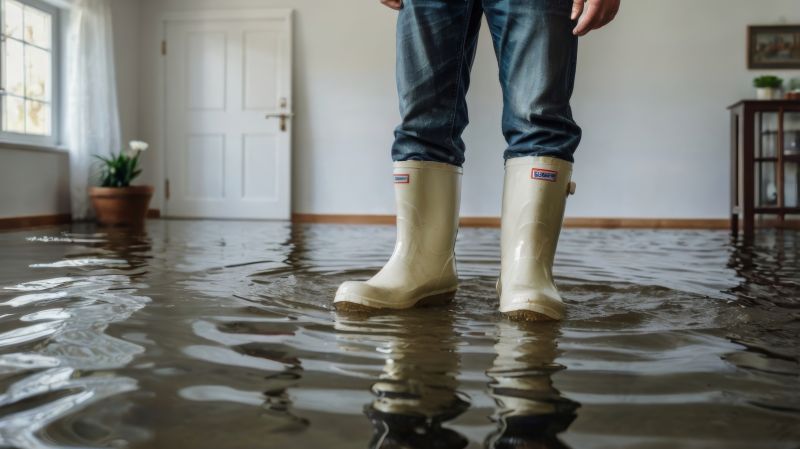
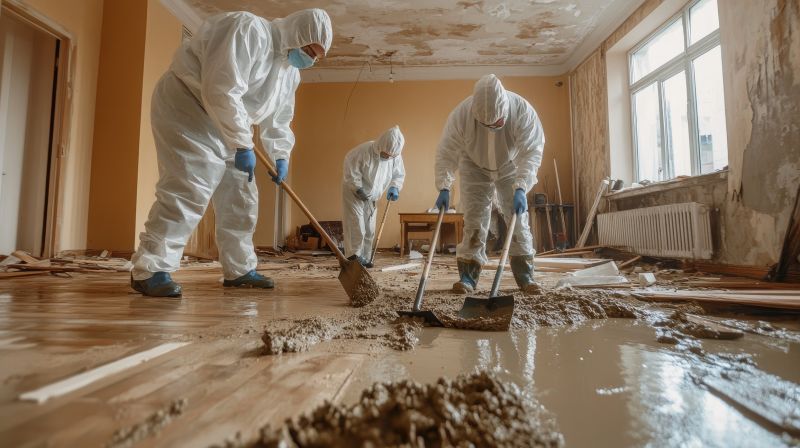
Flood damage restoration services are often sought by property owners in Rockingham County, NH, following heavy rainstorms or flooding events that result in water intrusion. When water seeps into basements, crawl spaces, or ground-level rooms, it can cause structural damage, mold growth, and lingering odors. Local service providers are called upon to assess the extent of water damage, remove standing water, and begin the process of drying and cleaning affected areas to prevent further issues.
Property owners may also seek flood damage restoration after incidents such as burst pipes or appliance failures that lead to unexpected water accumulation. In these situations, timely intervention by local professionals helps mitigate secondary damages, such as warped flooring or compromised drywall. These specialists focus on thorough cleanup, moisture removal, and restoring the property to a safe, dry condition to protect the structure and indoor air quality.
What are the first steps after flood damage occurs? Contact a professional flood damage restoration service to assess the extent of the damage and begin the cleanup process.
How do restoration experts remove standing water? They use specialized equipment such as pumps and wet vacuums to efficiently extract water from affected areas.
Is mold growth a concern after flooding? Yes, mold can develop quickly after flooding; professionals typically perform mold remediation to address any growth.
What types of materials can be restored after flood damage? Many porous and non-porous materials, including drywall, flooring, and furniture, may be salvageable depending on the severity.
How can homeowners prevent future flood damage? Consulting with local flood damage specialists can help identify vulnerabilities and implement mitigation measures.
Flood Damage Assessment
- Local service providers can evaluate the extent of flood damage to determine necessary restoration steps. Accurate assessments help prioritize repairs and ensure thorough cleanup.Water Extraction Services
- Professionals utilize specialized equipment to efficiently remove standing water from affected areas, reducing further damage. Prompt water extraction is crucial for effective restoration.Mold Prevention and Remediation
- After flooding, local experts can identify mold growth and perform remediation to prevent health issues and structural deterioration. Addressing mold early helps maintain indoor air quality.Structural Drying and Dehumidification
- Service providers use advanced drying techniques to eliminate residual moisture from walls, floors, and belongings. Proper drying minimizes the risk of long-term damage and mold development.
Considering Flood Damage Restoration for a property in Rockingham County, NH? The sections above highlight common project types, practical options, and details that often shape the scope of work.
When you are ready, use the quote form to share a few details about your project. Local pros can review the basics and respond with options that match what you have in mind.